
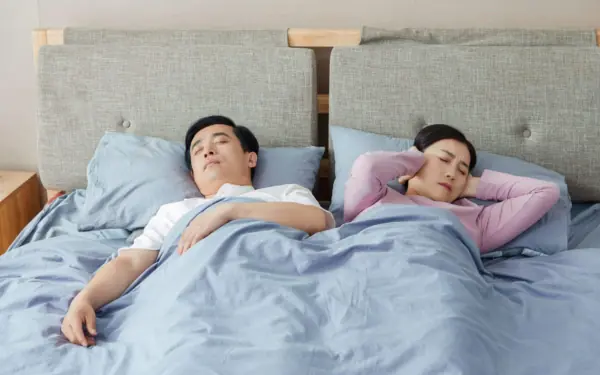
Sleep Separately When They Reach 50 Years Old: Why More Couples Are Choosing Separate Beds for Better Health and Harmony
As people age, their bodies, sleep patterns, and emotional needs evolve. One of the most surprising trends among couples over 50 is the growing decision to sleep in separate beds—or even separate bedrooms. While this idea once carried a stigma, many modern relationships are now embracing it as a way to preserve both health and harmony. Sleeping apart doesn’t necessarily mean falling out of love; in fact, for many couples, it’s a sign of maturity, understanding, and emotional security.
This article explores why sleeping separately after 50 can actually strengthen relationships, improve overall well-being, and enhance the quality of rest that aging bodies so desperately need.
1. The Science of Aging and Sleep
As we reach midlife, our sleep patterns begin to shift. Hormonal changes, chronic pain, stress, and medical conditions often disrupt restful sleep.
-
Menopause can cause night sweats and hot flashes, waking women several times a night.
-
Men often experience increased bathroom trips, snoring, or sleep apnea.
-
Joint pain, muscle stiffness, and a general sensitivity to temperature or movement become more common with age.
These factors can easily lead to fragmented sleep when sharing a bed. What once felt comforting—falling asleep next to a partner—can become frustrating when one person’s restlessness ruins the other’s sleep cycle.
Research from sleep institutes shows that adults over 50 often experience lighter, shorter sleep cycles. Deep sleep becomes less frequent, making it easier to wake up. That’s why even a small disturbance—a snore, a movement, a late-night trip to the bathroom—can lead to hours of lost rest.
2. The Rise of the “Sleep Divorce”
The term “sleep divorce” might sound dramatic, but it doesn’t mean an emotional separation. It simply refers to choosing to sleep apart for better rest and improved relationship quality.
Surveys show that nearly 1 in 4 couples over 50 now sleep in separate rooms, and many report feeling closer and happier because of it. The reason? They are finally getting the deep, uninterrupted sleep that keeps their mood stable and their health strong.
When both partners are well-rested, they’re more patient, affectionate, and emotionally available during the day. Sleep deprivation, on the other hand, leads to irritability, tension, and decreased libido—issues that can silently damage long-term relationships.
3. How Separate Sleep Can Strengthen Intimacy
continúa en la página siguiente

